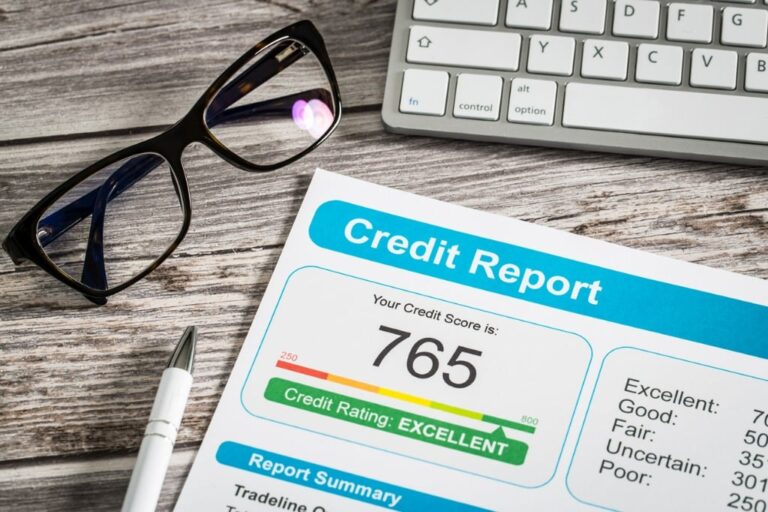
Credit information factors into most major financial decisions, like renting an apartment, taking out a mortgage, or buying a new car. But does it impact your ability to get a life insurance policy?
If your credit is less-than-stellar, you may worry about your ability to protect your family with life insurance. The good news is that life insurance companies typically make a soft inquiry into your credit, but poor credit does not preclude you from receiving great coverage. Instead, insurance companies look at key areas of your credit report and along with many other factors form their own insurance scores, which they can use to help determine eligibility and rates.
What is an insurance score?
An insurance score is a value calculated by insurance companies using information that in part comes from your credit report. Your insurance score fluctuates over time based on changes in your circumstances. Insurance companies use this information in conjunction with other factors like demographic and health history, to calculate the risk of insuring an individual.
How does an insurance score work?
Insurance scores are dynamic, and each insurer calculates them differently. The degree to which they impact your premiums also varies across providers and plans.
Fortunately, you can improve your score through positive financial choices, like catching up on overdue payments, paying new bills on time, and reducing your overall debt.
Do life insurance quotes affect your credit score?
As you’re shopping around for the life insurance policy that suits your needs and circumstances, you may seek out several life insurance quotes. When you request a quote, insurers perform a soft inquiry into your credit history. However, you don’t have to worry about multiple quotes chipping away at your credit score. These soft inquiries have no impact on your credit. It’s hard inquiries, like applying for a new line of credit or loan, that could ding your score.
What aspects of your credit report could impact your life insurance rates?
While your credit score doesn’t directly influence your rates, insurers consider various aspects of your credit report to calculate your insurance score, which does affect premiums. Insurance providers’ priorities vary, but some areas they frequently focus on include the following:
- Bankruptcy – Emergencies, unforeseeable circumstances, and financial missteps could all force an individual to file for bankruptcy. For life insurance companies, however, a history of bankruptcy signals a major risk, as it could result from irresponsible financial decisions. An older bankruptcy will likely raise fewer red flags than a recent one.
- A history of missed payments – When conducting a soft credit check, life insurance providers typically take note of payment history. If you have missed many credit card or loan payments, it reflects poorly on your ability to pay monthly insurance premiums, decreasing your insurance score.
- Collections – Insurers consult your credit report to determine whether any of your bill payments have lapsed long enough to go into collections. Like missed payments, bills that have gone into collections impact your insurance score.
- Other aspects of your credit history, including the types of credit you have, any new lines of credit you’ve opened recently, and how long you’ve had credit, play a minimal role in determining your credit-based insurance score.
Marks like these typically fall off your credit report after a period of between seven and ten years. Furthermore, while they impact your insurance score, credit issues don’t necessarily mean you won’t be able to find good coverage.
Other factors that may impact life insurance rates
While life insurance companies may perform a soft credit check, they consider a wide range of other factors during the underwriting process. These areas often play a more significant role in your life insurance eligibility than your credit, so it’s important to keep them in mind while shopping for the right life insurance plan.
- Health status – Life insurance companies aim to minimize risk when providing coverage, so they take health seriously. Some policies require an in-person medical exam to determine your eligibility and calculate your premiums. However, other policy options may be available with no medical exam or need only a health questionnaire. Insurers may also pull information from your Medical Information Bureau report and sometimes request additional records. Pre-existing chronic health conditions often lead to either higher rates or lower eligibility, depending on how well an illness is managed and its severity.
- Motor vehicle records – Insurers may also consult motor vehicle reports to calculate your insurance score. Each state’s department of motor vehicles maintains motor vehicle reports, which provide a detailed history of your driving record. A history of reckless driving and speeding could lead to higher premiums, while multiple driver’s license suspensions, DUI, or DWI charges could lead to a more severe penalty, including denial.
- Lifestyle/hobbies – Higher risk behaviors typically lead to higher life insurance premiums. Life insurance providers will likely factor the additional risk into your premium if you engage in more extreme hobbies, like sky-diving or rock climbing. If you lead a healthy lifestyle with a relatively balanced diet and adequate exercise, the insurance company might offer a lower premium.
- Occupation – Finally, life insurance considers your job as part of the underwriting process. If insurers consider your work “hazardous,” they could charge higher rates or even include a clause in the policy that excludes payout if you die on the job. Some high-risk careers include construction, mining, firefighting, and aviation.
Your insurance score, then, is just one facet of your background that life insurance companies assess during the application process.
Will you pay more for life insurance if you have a poor credit history?
While the connection between credit history and insurance scores is complex, a person with a poor credit history may pay somewhat higher rates. However, major credit report issues could have consequences. For example, you could be denied life insurance if you’re actively pursuing bankruptcy.
Securing life insurance without risking your credit
If you’re ready to look at life insurance options, you can get a free life insurance quote online or call an agent today. You’ll be able to rest easy knowing your life insurance quote won’t trigger any changes to your credit score.