We all want to protect our loved ones, and we want to do it at a cost we can afford.
A recent study from industry groups LIMRA and Life Happens found that 102 million uninsured and underinsured Americans believe they need to purchase life insurance or invest in more coverage – that’s 40% of the country’s adult population. However, more than one in three put off buying coverage because they often think it costs more than it does. That can put their family at risk if they die unexpectedly.
Many people believe life insurance is out of reach financially, often because they don’t know which life insurance factors impact pricing. Yet life insurance is one of the most affordable parts of a strong financial plan. Since cost misunderstandings are a main reason why people don’t buy, let’s consider what really goes into the price of life insurance.
Curious if you could get a great deal on life insurance? Wondering how to get the greatest value when shopping for a policy? Here are some key factors that affect how your life insurance company determines your life insurance premiums.
Which factors are most important in determining your life insurance rates?
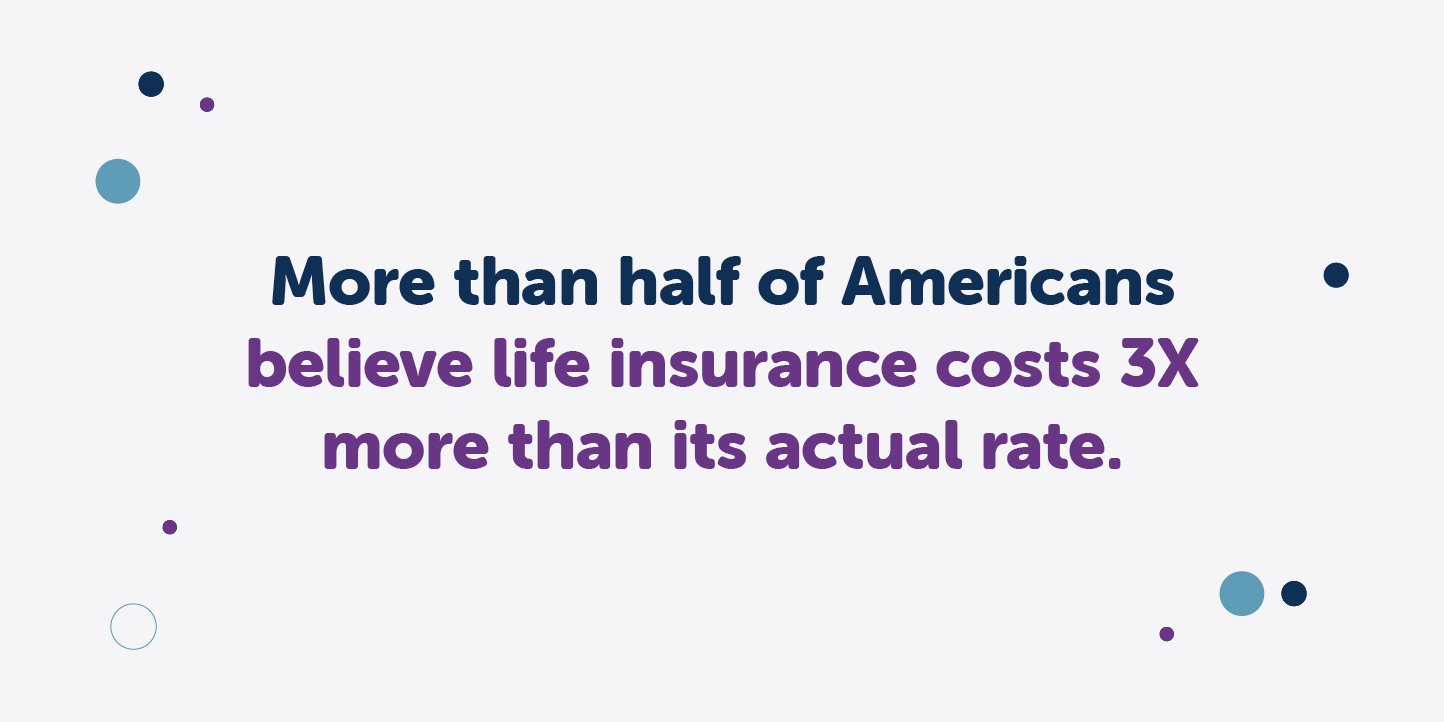
In general, life insurance is less expensive than people tend to think. More than half of Americans believe it costs three times its actual rate, especially among younger generations, according to LIMRA and Life Happens.
A healthy 30-year-old woman can buy a 10-year, $100,000 term life insurance policy through Fidelity Life starting at $13 a month. That’s less than a takeout dinner or a week’s worth of coffee for many of us, but with benefits that last long into the future.
Whether you’re shopping for life insurance quotes for a term or permanent policy, there are several factors to keep in mind that affect your life insurance premiums, or payments. The big ones include the following:
1. Age
Age is one of the biggest factors that influences life insurance premiums. Simply put, the older you are, the more you’ll pay for your life insurance. The same study from LIMRA and Life Happens found 40% of insured consumers wish they had bought their life insurance policies at a younger age.
Younger applicants tend to get the best value because they’re less of a risk for insurers. That’s because they’re more likely than older applicants to either outlive their term life policy or make more payments on a permanent one before their death. Buying a $250,000 20-year term life plan in your 30s vs. your 40s, for example, could save you hundreds of dollars or more in premiums over the life of the policy.
In addition, if you wait to buy a policy, you run the risk of developing a health condition that could adversely impact your rate or prevent you from getting covered. The bottom line: Don’t delay.
2. Gender
In most cases, women pay less than men because they have a longer life expectancy. That’s good news if you’re a woman looking for an affordable policy.
That being said, some states are moving toward unisex legislation that prevents companies from basing insurance rates on gender. (In Montana, it’s already illegal to charge men more than women.) It’s also important to know that an insurance company cannot use race or ethnicity to determine life insurance premium rates.
3. Height and Weight
Your size and shape also play a role in your life insurance rates. Insurance companies use these stats to help determine your overall health and how likely you are to develop a condition that could shorten your life.
Some insurers use body mass index (BMI) in calculating the cost of life insurance. BMI is a calculation of a person’s body fat by using height and weight. A higher BMI can indicate a bigger risk for some diseases, including high blood pressure, heart disease, gallstones, some cancers, and Type 2 diabetes. BMI isn’t a perfect system, though. An athlete, for example, may have a higher percentage of muscle that increases their weight, but doesn’t put them at a higher risk for health problems.
That’s why many companies use their own height and weight charts, called “build charts,” to help assess your overall health. These charts vary by insurer and tend to be a bit more lenient than BMI. Even if your BMI indicates you’re overweight, you may be able to secure competitive rates based on some insurers’ build charts.
4. Medical History
Along with your age, your health is the biggest factor that determines your premiums. Healthier people are at less risk of dying while the policy is active, so they’re generally approved for lower life insurance rates.
When you apply for a policy, your life insurance company will ask you about your personal health history. In some cases, you may also need to take a medical exam. These assessments will look at factors like your history of past illnesses, prescription drug use, and nicotine use.
The insurance company will also look at any chronic illnesses you have, such as high blood pressure, high cholesterol, and respiratory concerns. All of these factors will affect your policy cost.
If you’re in less than perfect health, you can also look at options like simplified or guaranteed issue insurance. These types of plans typically cost more, but they can be a good choice for people who are priced out of medically underwritten insurance.
With RAPIDecision® Life term policies from Fidelity Life, you have up to six months after approval to take a medical exam and still have coverage in the meantime. In some cases, you may be able to skip an exam completely. We also offer a range of no exam coverage options.
5. Family History
How does your family play a role in your life insurance costs? Family health history is valuable to insurance companies because it can give a glimpse into the future of your own health. Insurance companies use that information to help determine your eligibility and set your rates.
A range of factors in your family’s medical history can influence these decisions. Some of the conditions insurers look for include:
- Cancer
- Diabetes
- Kidney, liver, and heart disease
- Alzheimer’s disease, especially early-onset conditions
- A family history of drug or alcohol dependence
- Sudden unexplained death before age 50
Each of these conditions may carry a genetic component, putting you at risk if a close family member has one of these conditions. Most often, insurers look at your immediate family, such as your parents and siblings. For example, if your grandmother and mother were diagnosed with breast cancer in their 50s, your insurance company will take that into consideration.
Still, keep in mind that there are policies available even for those who may have a complex family medical history. If there are big concerns in your family’s past, be upfront with your insurance company and seek out more lenient policies if needed.
6. Smoking and Tobacco Use
If you smoke, chew tobacco, or vape, you’ll pay more for life insurance than non-users. Even occasional smoking can impact your rates for life insurance policies.
The same applies if you use marijuana, either for recreation or for medical reasons. While insurance companies have loosened up restrictions around policies for marijuana users, it can still affect your eligibility for coverage and the premiums you’ll pay.
The good news? If you stop smoking, your rates are likely to improve. Most life insurance companies have a waiting period of about a year once you quit to qualify for non-smoker rates. That could be enough of a reason to stop using these substances now.
7. Occupation and Hobbies
High-risk jobs are some of the most heroic and important occupations out there. They’re also just that – risky. That’s why life insurance policies for people in these careers can be more difficult to obtain and, when available, they can be more expensive.
Some jobs that often fall under the high-risk category include:
- Construction workers
- Active military members
- Natural resource workers, such as those in mining, lumber, fishing, marine, and oil and gas industries
- Aviation workers
- First responders, including paid and volunteer firefighters, EMTs, and law enforcement
Your line of work comes into play during the life insurance application process when it impacts your overall health and safety. People in these positions are often putting themselves on the line on a daily basis. In addition, some positions carry added health risks over time. For example, mining workers may be at a higher risk for developing respiratory conditions.
Your hobbies outside of work are also a factor. Do you spend weekends taking part in adventurous activities, skydiving, racing cars, or rock climbing? If you engage in these activities regularly, be sure to let your life insurance company know. It may impact how much you pay for coverage and your eligibility for some life insurance plans.
8. Lifestyle Factors
When insurance companies issue a policy, they’ll also look at lifestyle factors that could affect your health and safety. These may include your driving records, criminal background, any history of foreign travel, and your financial history. If you have a history of less-than-safe activities, that can play a role in your access and rates for life insurance. Keep in mind that these factors are relative: A single speeding ticket won’t disqualify you from life insurance, but a pattern of reckless driving could.

Other factors that affect premiums
Beyond your personal background, the type of policy you pick plays a big role in your final price for coverage. Here are a few more factors budget-conscious shoppers should consider:
- Policy type: Term life insurance typically costs much less than permanent life insurance. Since term life insurance expires after a set number of years, it’s less expensive for insurers to cover you than permanent life insurance, which provides lifelong coverage. Permanent life also builds cash value over time, which factors into the price you’ll pay for coverage.
- Policy amount and length: The policy amount refers to the size of the death benefit your beneficiaries receive if you die while you’re covered. This can range from a few thousand dollars to $2 million. The more coverage you buy, the more expensive it will be. Another important factor to consider is the length of term life insurance policies. If you purchase a longer term, that policy is going to cost more than one that’s in place for a handful of years. Remember that rates go up significantly with age, though, so it’s better to lock in lower rates now for a long-term policy if you think you’ll need coverage later.
- Riders: A rider is a special addition to a life insurance policy that can provide a range of benefits. For example, you can buy riders that offer an additional payment in the event of accidental death or disability, waive your premiums if you’re unable to work, or provide a portion of your payout early if you’re diagnosed with a chronic illness. Riders can be helpful for customizing your coverage, but keep in mind that they can increase your overall premium.
How do life insurance companies determine rate classes?

There’s a great deal of information for life insurance companies to consider when determining your eligibility and price for coverage. While all these general pricing factors are important to understand, insurers consider each individual’s background carefully to make sure they get a fair and accurate rate.
To do this, insurers use a ratings system. Each insurance company sets its own rating scale, which helps the company calculate a final price for your policy. Using information provided during your application, your medical exam if applicable, and third-party sources, insurers will likely place you in one of these main classes:
- Preferred Plus: Sometimes known as Preferred Best or Preferred Elite, this is the highest classification for life insurance. A person in this classification generally has excellent health and low risk factors for an early death. People in this class typically get the lowest rates and have the most flexibility in choosing a policy to fit their needs.
- Preferred: A step down from Preferred Plus, people in the Preferred rate class still have good overall health. A person in this classification may have a minor health issue or another factor that puts them at a slightly increased risk to the insurance company. Most people in this classification still qualify for low rates and can easily qualify for the policy of their choice.
- Select: People who are in the Select classification typically have a few concerns that may influence the life insurance company’s decisions. Here, you may have a history of major or chronic illnesses, a higher BMI, or a family history of illness. You’re still in fairly good health, but there are risks that could play a role later. Most people in the Select group are still good overall candidates for life insurance policies. They may pay more than others, though.
- Standard: This classification tends to indicate a larger range of potential concerns. You may have a family history of cancers or heart disease, or you may be overweight with high blood pressure. Those in this classification are at a higher risk level, which is why insurance policies tend to be a bit harder to obtain and more expensive overall. Still, many qualify for life insurance.
In some cases, you may not meet the criteria for the rate classes listed above. This could be because of a significant health issue, high-risk job, or history of other risky behavior. Whatever the case, the life insurance company determines that you’re at a higher risk of dying at an early age.
When this happens, the insurer may approve you for a rated life insurance policy. This is sometimes called a substandard policy or a table-rated policy. This means you’ll pay higher rates than people in the main rate classes, but you still have some options available for coverage.
The importance of being honest about factors that influence premiums
A lot of the information insurance companies need to set your life insurance rates comes from you. You’ll need to provide your medical history, the types of hobbies you enjoy, and your family’s history of major medical issues. Sharing this information can feel sensitive or even awkward at times, but it’s crucial to be open with your insurance company.
Some people may think that if they don’t share this information, the insurer won’t find out and it could save them money. That’s a mistake. First, life insurance companies work hard to verify all the information on your application. They need to do so to ensure they are providing an accurate policy and cost to you. That means they will ask follow-up questions and turn to independent sources where possible to verify the information you share.
Second, many life insurance companies also require a full medical exam. As noted, this medical exam includes questions about your medical history, previous illnesses, chronic conditions, and family history. It also typically includes blood and urine tests to gain more insight into your health. The exam is designed to give your insurance company a closer look at factors such as BMI and blood pressure. If you’ve neglected to mention something during the application process, chances are good it will come up during the exam.
That’s why it’s so important to be honest on your application and in any conversations you have with your agent or company representative. Not being honest can result in the company denying your application outright. Even worse, if your insurance company doesn’t discover incorrect or incomplete information and it comes out later, the insurer could decline to pay out your policy to your beneficiaries when they’re counting on it.
The better option is to be clear and transparent on your application when requesting a life insurance quote. There’s a policy out there for nearly everyone, and insurance companies want to help you find yours.
Factor for peace of mind
At Fidelity Life, we’ve designed our life insurance products to meet the needs of everyday families, and we offer a broad range of policies that meet your needs and budget. We can help you find the best value for you and your family, so you can get peace of mind today.
See your estimated price for life insurance now, or give us a call to get started today at (844) 455-0869.
At Fidelity Life, our goal is to make life insurance simple, affordable, and understandable for everyday families. This content is intended for educational purposes only. Each post is carefully fact-checked, reviewed, and updated regularly to ensure the information is as relevant as possible.